
What to Do After a Storm Damages Your Roof in Minnesota (Insurance Claim Checklist)
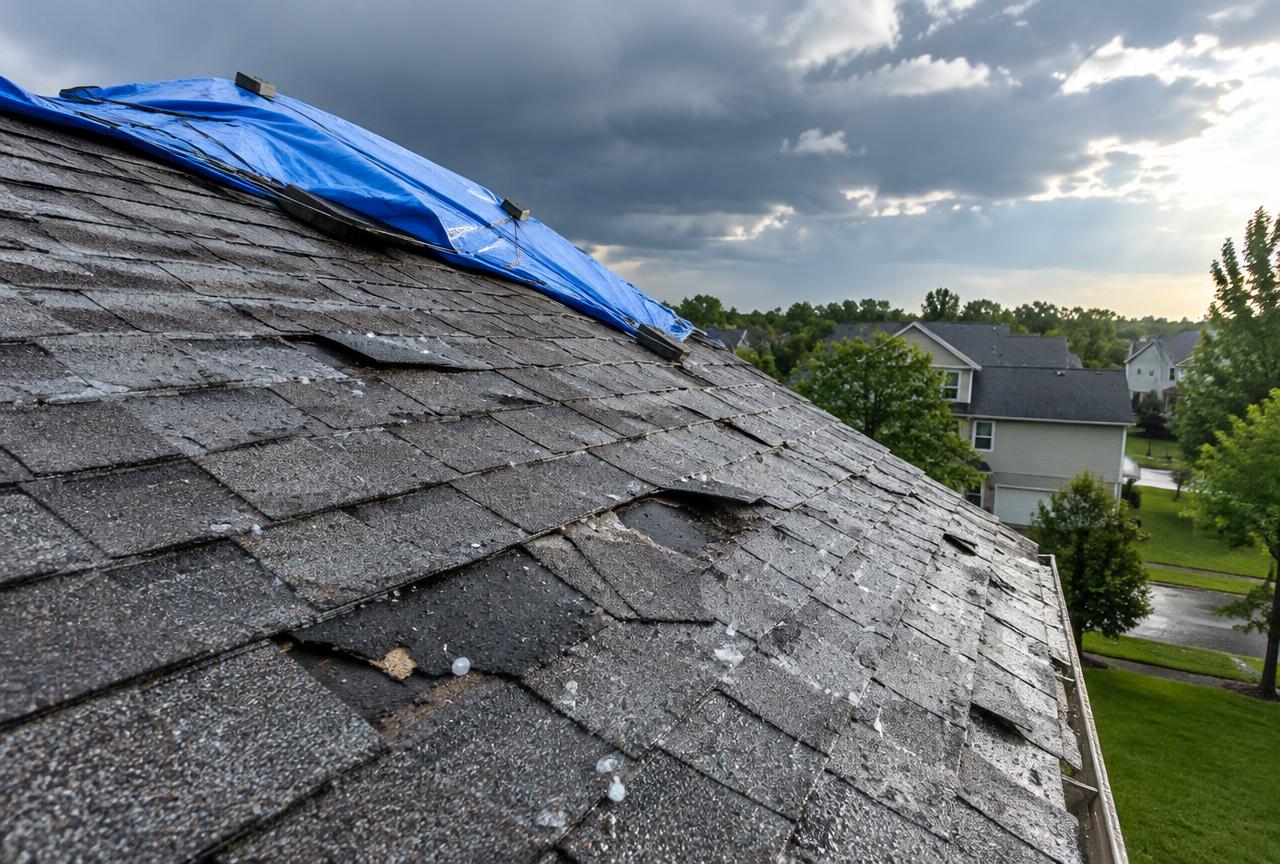
The sirens stop, the rain lets up, and you walk outside to find shingles in the yard. I get the call that follows a lot, and the first thing I tell people is the same every time: slow down. What you do in the next few days matters more than how fast you get someone on the roof.
This is the checklist I'd follow if it were my own house in Minnetonka or anywhere in the west metro. If you want the deeper dive on hail specifically, I wrote a separate guide on what to do after a hail storm. This one covers the whole process, start to finish, for any storm that leaves a mark.
Safety First, Then a Temporary Tarp
Nothing on your roof is worth falling off of it. Wet shingles are slick, storm damaged decking can be soft, and wind can pick back up without warning. Stay off the roof. If there are downed power lines anywhere near the house, stay away from them and call the utility before anything else.
If water is coming in, deal with the inside first. Move furniture, put down buckets and towels, and shut off power to any room where water is near light fixtures or outlets. Then think about the outside.
A tarp over the damaged area can keep the next rain from turning one problem into three. If you can reach it safely from a ladder on solid ground, a tarp secured with boards is a reasonable short term fix. If you can't, call a roofer to do it. Most insurance policies expect you to take reasonable steps to prevent further damage, so keep receipts for tarps, supplies, or emergency work.
Document Everything With Photos and Dates
Before anything gets cleaned up or patched, take pictures. Lots of them. Your phone stamps the date and time, which is exactly what you want. Write down the date of the storm too, because that date ties the damage to a specific event.
- Wide shots of every side of the house, then close ups of anything that looks off
- Shingles, pieces of roofing, or debris on the ground
- Dents on gutters, downspouts, vents, siding, window screens and outdoor equipment
- Water stains, drips or wet insulation inside the house and in the attic
- Any temporary repairs you made, plus receipts for materials
Keep it all in one folder on your phone or computer. When the adjuster asks a question two weeks later, you'll be glad it's all in one place.
What Hail and Wind Damage Typically Look Like
Storm damage isn't always obvious from the driveway. Here's what I'm usually looking for when I get up there.
Hail damage
- Dark spots where granules have been knocked off the shingle
- Soft, bruised spots that feel spongy when pressed
- Cracks or small fractures in the shingle mat
- Dents in metal vents, flashing, and gutters, which often show the size of the hail
- Heavy granule buildup in gutters or at the bottom of downspouts
Wind damage
- Missing shingles or exposed underlayment
- Creased shingles that lifted and folded back, even if they laid back down
- Shingles that are loose along the edges, ridge, or rake
- Lifted or bent flashing around chimneys and vents
Some of this is easy to miss and easy to confuse with normal aging. That's why a professional inspection matters. On our storm and hail damage service, we photograph what we find so you can see it for yourself.
Call Your Insurance Company and File the Claim
Read your policy or call your agent to understand what's covered and what your deductible is. Every policy is different, and I can't tell you what yours will or won't pay for. What I can tell you is that most policies have time limits for reporting damage, so don't sit on it.
- Report the damage and the date of the storm
- Write down your claim number and the name of everyone you talk to
- Ask what documentation they want and how to send it
- Ask whether they want you to get an inspection or estimate before the adjuster visits
Some homeowners like to get a roofer's inspection first so they know whether the damage is worth a claim at all. That's a fair approach, and it's one reason we offer straightforward inspections before anyone files anything.
Meet the Adjuster and Have Your Roofer There
The adjuster's job is to look at the damage and write up what the insurance company will cover. Having your roofer on the roof at the same time helps make sure nothing gets missed, like damaged flashing, vents, or a second slope that took a beating.
We do this regularly through our insurance claim roofing service. We show the adjuster what we documented, point out the details, and answer roofing questions. We don't negotiate your policy for you, and we can't promise what will get approved. The goal is simple: the decision should be based on the actual condition of your roof.
After the visit, ask for a copy of the adjuster's report or estimate. Read it carefully and compare it with what your roofer found.
What to Do If the Claim Is Denied or Underpaid
It happens. Sometimes the adjuster sees things differently, misses a section, or decides the damage is wear and tear rather than storm damage. That doesn't automatically mean the decision is final.
- Ask the insurance company to explain the decision in writing
- Compare their scope line by line with your roofer's findings
- Send any photos or documentation they didn't have
- Ask about requesting a reinspection or a second adjuster
- If you still disagree, talk with your agent or a qualified professional about your options
I'm a roofer, not a lawyer or an insurance professional, so I won't tell you how your policy should be read. But clear photos and a documented inspection give you something real to stand on if you ask them to take another look.
Choose a Licensed, Insured Local Contractor
After a big storm, out of town crews show up fast and knock on a lot of doors. Some do fine work. Some are gone by the time a warranty issue comes up. Before you sign anything, check that the contractor is licensed in Minnesota, carries insurance, and will still be around to back the job.
Rocket Roofing is based right here in Minnetonka. We're licensed under Minnesota Lic #BC809767, fully insured with general liability and workers' comp coverage, and every job we do is backed by a lifetime workmanship warranty. If your roof needs more than a repair, here's how we handle a full roof replacement. You can also see the Minnetonka and west metro cities we serve.
Get a Straight Answer on Your Roof
If a storm just came through and you're not sure where your roof stands, call me at 952.649.6449. We answer 7am to 7pm every day. Or request a fast quote and we'll get an inspection on the schedule.
Frequently asked questions
Should I file an insurance claim before or after a roofer inspects my roof?
Many homeowners get an inspection first so they know whether there's real storm damage before filing. Check your policy for reporting deadlines either way, and ask your insurance company how they prefer to handle it.
Is it okay to tarp my roof before the adjuster comes out?
Most policies expect you to take reasonable steps to prevent further damage. Photograph the damage first, then tarp it if you can do so safely, and keep receipts for materials or emergency work.
Can my roofer be there when the adjuster inspects the roof?
Yes. Having your roofer there helps make sure the damage we documented is seen and understood. We can't promise what gets approved, but we can make sure nothing obvious gets missed.
What if my insurance claim is denied or seems too low?
Ask for the decision in writing, compare it with your roofer's documentation, and ask about a reinspection. If you still disagree, talk with your agent or a qualified professional about your options.
How do I know a storm contractor is legitimate?
Confirm they're licensed in Minnesota, insured, and local enough to back their work. Rocket Roofing is based in Minnetonka, licensed under Lic #BC809767, fully insured, and offers a lifetime workmanship warranty.
Need help with this on your own home? See our storm & hail damage service or check the Minnetonka and west metro cities we serve.
Ready for a straight answer?
Rocket Roofing inspects first, documents with photos, and backs every job with our satisfaction guarantee. High standards, higher quality.